

As men age, testosterone levels gradually decline, typically beginning as early as age 30. This is a natural process that can influence energy, libido, mood, body composition, and muscle mass. Many men seek quick solutions, but research does not always confirm their effectiveness and safety.
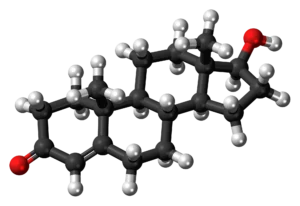
3D model of testosterone molecule. Source: Wikimedia Commons (public domain).
In this article, we will examine the scientific evidencinke for factors led to testosterone decline with age, debunk common myths lacking scientific support, and highlight evidence-based lifestyle habits that may contribute to overall male health.
After age 40, total androgen levels in men typically decrease by about 1% per year on average (PubMed PMID: 32081788, 2020). Sometimes, this gradual process is called “andropause” or age-related decline in androgen levels.
It is essential to differentiate between standard age-related changes and clinically low testosterone levels (hypogonadism), which can only be diagnosed and treated by a physician.
Biological Mechanisms
With age, the hypothalamus and pituitary gland become less responsive, leading to a gradual decrease in luteinizing hormone (LH) production, which signals Leydig cells in the testes to produce testosterone. Levels of sex hormone-binding globulin (SHBG) also rise, reducing the amount of biologically active “free” male hormone.
That helps explain why some men experience reduced energy and libido even when total hormone levels remain within the clinically normal range.
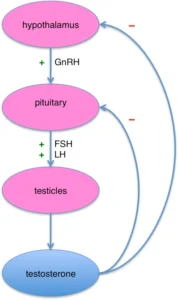
The hypothalamic–pituitary–gonadal (HPG) axis – primary mechanism behind testosterone decline after age 30.
Source: <a href=”https://commons.wikimedia.org/wiki/File:Hypothalamus_pituitary_testicles_axis.png”>Wikimedia Commons</a> by Mikael Häggström (CC BY-SA 3.0).

The Role of Sleep and Stress
Quality sleep is essential for maintaining healthy hormone balance. Studies show that restricting sleep to 5–6 hours per night can be associated with a temporary 10–15% drop in testosterone levels (PubMed PMID: 36152143), 2022.
Chronic stress elevates cortisol levels, which can disrupt normal hormonal pathways.
Regular physical activity, particularly high-intensity resistance training, is associated with higher free testosterone levels and better preservation of muscle mass as men age (PubMed PMID: 38890228), 2024.
Nutrition and Key Micronutrients
A balanced diet influences overall well-being and hormonal health. Insufficient intake of zinc, magnesium, and vitamin D has been linked in some studies to lower markers of men’s health: (PubMed PMID 36577241), 2023.
Adequate protein, healthy fats (including omega-3s), and antioxidant-rich vegetables support normal physiological function.
Top 5 Testosterone-Boosting Foods Every Guy Should Eat
Boosting male hormone levels isn’t just about supplements — your diet plays a massive role. Here are five powerhouse foods every man should include for optimal hormone health, energy, and vitality.
1. Oysters
Why they’re king: Oysters are absolutely loaded with zinc — one of the most critical minerals for testosterone production and sperm quality.
Pro move: 6–12 medium oysters will easily surpass your daily zinc requirement. Many men are walking around deficient without even realizing it.
2. Eggs (Whole, Yolks Included)
Why they matter: Eggs provide high-quality protein, healthy fats, and cholesterol — the literal raw materials your body uses to make testosterone.
Pro move: 2–4 whole eggs per day is ideal. Skip the “egg whites only” myth if you want optimal hormone levels.
3. Grass-Fed Beef
Why it’s a staple: Packed with bioavailable zinc, iron, B-vitamins, creatine, and high-quality protein, grass-fed beef is basically nature’s anabolic multivitamin.
Pro move: Choose ribeye, sirloin, or 85/15 ground beef. A solid 8–12 oz steak a few times per week keeps energy and testosterone levels humming.
4. Nuts (Brazil Nuts, Almonds, Walnuts)
Why they belong in your diet: Nuts are rich in magnesium, selenium, healthy fats, and antioxidants — all heavily involved in hormone health and recovery. Brazil nuts are especially potent (2 nuts = 100–200% DV of selenium).
Pro move: Eat a handful (~1 oz / 30 g) daily as a quick, on-the-go snack.
5. Fatty Fish (Wild Salmon, Sardines, Mackerel)
Why they crush it: Loaded with omega-3s to fight inflammation and some of the best natural sources of vitamin D — both directly tied to higher testosterone and better mood.
Pro move: Aim for 2–3 servings per week. Canned wild sardines or salmon are convenient, affordable, and incredibly healthy.
Key Takeaways:
- These foods are evidence-backed natural testosterone boosters.
- Pair them with resistance training, proper sleep, and stress management for maximum effect.
- Consistency is key — small daily habits compound over time to preserve vitality and male hormone health.
Medical and Lifestyle Factors That Can Influence Levels
Age is only one factor. Other contributors include:
Excess body fat and metabolic syndrome (adipose tissue increases aromatase activity, converting testosterone to estradiol)
Chronic conditions (type 2 diabetes, cardiovascular disease, etc.) Certain medications (opioids, glucocorticoids, some antidepressants, etc.)
Only a healthcare provider can determine whether changes are physiological or require medical evaluation.
Common Myths About Testosterone Decline
Myth 1: “Male hormone levels decrease only due to age, and there is nothing that you can do about it.”
In reality, lifestyle, sleep, and nutrition significantly affect how pronounced age-related changes become.
Myth 2: “Tribulus terrestris significantly raises testosterone.”
Meta-analyses show minimal or no effect in healthy men (PubMed PMID: 40360723), 2025.
Myth 3: “There’s a single miracle pill that fixes everything.”
Taking supplements alone—without proper nutrition, regular exercise, good sleep, and stress management—typically provides only minimal or temporary effects.
Evidence-Based Ways to Support Healthy Testosterone Levels
Lifestyle and Exercise
Regular resistance training 2–4 times per week
Maintaining a healthy body weight and reducing excess body fat
7–9 hours of quality sleep per night
Stress management and moderate alcohol consumption
Avoiding smoking
What Research Says About Certain Popular Herbs and Nutrients
Zinc and magnesium play roles in normal hormone metabolism
Vitamin D deficiency is common in middle-aged and older men and may be associated with reduced well-being
Tongkat Ali (Eurycoma longifolia), icariin (Horny Goat Weed), and L-citrulline have been studied, but results are mixed and do not support definitive conclusions about effectiveness or safety for everyone
Always consult your physician before starting any dietary supplement.
What to Avoid
Supplements that make bold marketing claims without substantial clinical evidence
Relying solely on “testosterone boosters” without addressing overall lifestyle
Conclusion
Age-related testosterone decline is a natural process, but its rate and impact depend heavily on lifestyle, sleep quality, nutrition, and overall health.
A science-backed, comprehensive approach—regular exercise, balanced nutrition, adequate sleep, and stress management—helps men maintain energy, muscle mass, and quality of life for years to come.
The information presented is for educational purposes only and is not a substitute for professional medical advice.
“FAQ: Age-Related Testosterone Decline”
When Should Men Start Protecting Their Levels?
Answer: Even a modest drop in androgenic hormones can impact mood, motivation, and cognitive performance. Men may notice brain fog, difficulty concentrating, memory slips, and slower reaction times as early as their 30s or 40s. Maintaining optimized male hormone levels through strength training, proper nutrition, and smart supplementation helps keep the mind sharp.
Which Ingredients Best Support Male Vitality?
Answer: The top supplements backed by studies include Tongkat Ali (Eurycoma longifolia), Fenugreek, icariin from Horny Goat Weed, and essential nutrients like zinc, magnesium, and vitamin D3. When used correctly alongside a healthy lifestyle, these compounds may support testosterone, libido, energy, and recovery.
Does Timing of Supplements Really Matter?
Answer: Yes—timing can make a big difference. Morning intake is ideal for stimulating compounds like Tongkat Ali or caffeine-containing blends, while evening intake works better for magnesium, zinc, and sleep-supporting nutrients. Proper timing enhances absorption and maximizes benefits.
Can Lifestyle Changes Help with Low Testosterone?
Answer: While you can’t biologically return to your 20s, lifestyle improvements can restore 60–70% of previous vitality—often better than supplements alone. Key strategies include heavy compound lifting, 7–9 hours of quality sleep, a high-protein/healthy-fat diet, and reducing alcohol, junk foods, and chronic stress.
5 Non-Negotiable Daily Habits for Men 40+
Consistent daily habits compound over time:
- Get morning sunlight and walk 20–30 minutes daily
- Sleep 7–9 hours each night
- Eat zinc-, magnesium-, and cholesterol-rich foods like red meat, eggs, oysters, and nuts
- Lift heavy 3–4 times per week
- Limit alcohol and avoid smoking or vaping
Following these routines consistently can help men feel stronger, sharper, and more energetic within months.
Medical Review
Medically reviewed by: Ali Abu Alburghol, MBBS UK-licensed physician Last updated: December 5, 2025
This article has been reviewed for scientific accuracy and safety by a qualified physician.


Important Disclaimer
The information in this article is for educational and informational purposes only and is not intended as medical advice or diagnosis. Nothing here should be considered a substitute for professional medical care. Always consult a qualified healthcare provider before starting any supplement, making major lifestyle changes, or if you suspect low testosterone or any other medical condition.
Individual results may vary. Statements about dietary supplements have not been evaluated by the FDA and are not intended to diagnose, treat, cure, or prevent any disease or health condition.
About the Author
Alpha Dualis Editorial Team All content is fact-checked and written according to strict editorial and scientific standards.