

High stress levels, inadequate sleep, and chronically elevated cortisol are commonly associated with reduced energy, lower daytime focus, and changes in hormonal balance in men. Prolonged stress can lead to sustained cortisol release, which is related to alterations in testosterone production, metabolic efficiency, and cognitive performance, often contributing to feelings of fatigue and mental strain.
Adequate, high-quality sleep plays a vital supportive role in overall hormonal regulation. Research shows that healthy sleep correlates with normal nighttime testosterone secretion, balanced cortisol rhythms, and cognitive function recovery, which promotes alertness, memory, and emotional stability.
Observational studies published between 2022 and 2025 report correlations between chronically elevated cortisol levels and lower free testosterone measurements, along with reduced activity in brain regions involved in executive function and memory, such as the prefrontal cortex and hippocampus. These associations have been linked to slower reaction times, reduced working memory performance, and increased emotional reactivity. However, these findings reflect population-level trends and do not establish causation.
In this article, we provide an educational overview of relevant physiological mechanisms, summarize findings from recent peer-reviewed analyses, and discuss lifestyle-based strategies that may help support energy, focus, and overall vitality.
Stress & Sleep Self-Check

Self-Check Questionnaire
Answer “Yes” or “No”:
| Have morning erections become less frequent or less noticeable?
|
| Does your concentration decline significantly after lunch, leading you to rely on caffeine to stay alert?
|
| Has your waist circumference increased even though your body weight has remained relatively stable?
|
| Is your sleep frequently interrupted by nighttime awakenings?
|
| Has your motivation for exercise or new personal projects decreased?
|
Three or more “yes” responses may suggest that factors such as stress exposure and sleep quality are influencing your daily energy levels and overall sense of well-being. The sections below provide a general educational discussion of potential physiological factors involved.
This self-diagnosis is intended solely for educational purposes, not for diagnosis.It is not a substitute for medical advice, diagnosis, or treatment. If you have concerns about your health, consult a qualified healthcare specialist.
How Stress and Cortisol May Affect Men’s Energy Levels
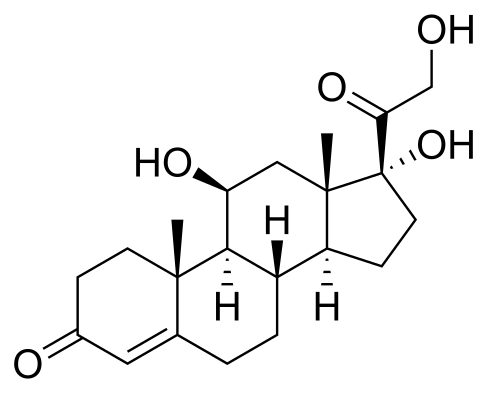
Cortisol (chemical structure) — image of the chemical structure of cortisol. Author: User:Hasan, Wikimedia Commons. License: CC BY-SA 3.0. Source: Wikimedia Commons
Cortisol and Energy Regulation in Men
Under conditions of constant or chronic stress, the hypothalamic-pituitary-adrenal (HPA) axis may remain more active than usual. Elevated cortisol levels are associated with changes in how the body metabolizes hormone precursors such as pregnenolone, which plays a role in the synthesis of numerous hormones, including cortisol and testosterone.
Some studies suggest that prolonged stress may be associated with changes in hormones involved in testosterone regulation, including luteinizing hormone (LH) and follicle-stimulating hormone (FSH). These changes have been associated with lower average testosterone measurements at the population level, although individual responses vary, and these findings do not establish direct causation.
A 2023 meta-analysis of 23 observational studies involving approximately 4,800 men reported an inverse association between perceived stress levels and total testosterone concentrations. The authors noted a statistically significant correlation between higher reported stress and lower testosterone values; however, these results describe group-level trends and are not predictive for any individual.
Cortisol and Daily Energy Levels
Chronic elevation of cortisol levels is associated with changes in the body’s regulation of glucose metabolism and insulin sensitivity. During prolonged stress, the body may shift toward increased glucose production and altered energy utilization to support short-term demands.
Some researchers suggest that ongoing stress may influence mitochondrial efficiency, which plays a role in cellular energy production. In everyday terms, these physiological patterns are commonly associated with feelings of daytime fatigue, reduced physical stamina, and changes in body composition, including increased central fat accumulation. Visceral fat is associated with inflammatory signals, which, over time, can additionally affect the balance of stress hormones.
Natural Ways to Support Healthy Cortisol Levels

3D ball‑and‑stick model of the cortisol molecule. Image by Ben Mills (Benjah‑bmm27), released into the public domain (PD‑user). Source: Wikimedia Commons.
Practical Methods
- Research indicates that short-term cold exposure may be associated with healthy stress hormone responses.
- Box-breathing technique (4-4-4-4) practiced for several minutes daily — may help support relaxation and healthy cortisol regulation over time.
- Ashwagandha extract (600 mg/day) — some studies suggest it may support the body’s stress response and overall hormonal balance.
- Strength training (3–4 times per week) — regular resistance exercise is associated with improved stress resilience and healthy cortisol regulation.
Learn more about commonly discussed natural approaches for men:→„Natural Testosterone Support: What Really Works in 2025”
Influence of Healthy Sleep on Androgens
Max Testosterone During Deep Sleep
A significant portion of daily testosterone production occurs during slow-wave sleep, according to some studies. (PubMed PMID: 32081788)
How Broken Sleep Raises Cortisol
Awakenings after falling asleep (even unnoticed) activate the HPA axis and raise nighttime cortisol. Research indicates that repeated or extended awakenings during sleep may be linked to elevated morning cortisol.
Healthy Sleep Tips for Men

Some studies suggest that keeping the bedroom cooler (around 60–64°F) may support deeper stages of sleep
- Some research suggests that reducing the amount of time spent on screens before bed may support natural melatonin production and healthy sleep onset.
- Research indicates that taking magnesium threonate or glycinate before bed may be associated with supporting healthy sleep..
- Consuming slow-digesting carbs (50–80 g) a few hours before bed may be associated with supporting relaxation and sleep quality in some research.
- Exposure to red light in the evening may be linked to supporting natural circadian rhythms and sleep preparation.
The information provided below is for educational purposes only and does not constitute medical advice. It is not intended to diagnose, treat, cure, or prevent any disease. Always consult a qualified healthcare professional before making changes to your sleep habits, diet, or dietary supplement use, especially if you have a medical condition, hormonal concerns, or are taking prescription medications.
Daily Habits for Staying Energized

Vitamins and Minerals to Support a Healthy Lifestyle
Several nutrients have been studied for their potential role in supporting the body’s stress response and overall hormonal balance. The findings below reflect research observations and do not imply guaranteed outcomes.
-
Zinc (30–50 mg/day) — some research suggests that maintaining adequate zinc levels may be associated with supporting healthy cortisol regulation and overall hormonal balance. (Journal of Biomedicine and Translational Research, 8(1):26-31, DOI: 10.14710/jbtr.v8i1.13808).
- Magnesium (400–600 mg) — some studies suggest that magnesium intake may help support healthy cortisol levels over time. (PubMed PMID: 39252819, 2024).
- Vitamin D (4,000–6,000 IU if deficient) — some studies suggest that optimizing vitamin D levels may help support healthy cortisol levels over time. (PubMed PMID: 39452471, 2024).
Recent peer-reviewed research suggests that lifestyle factors—including consistent, high-quality sleep, balanced nutrition, regular physical activity, and effective stress management—are associated with healthier cortisol patterns and hormonal balance in men. (Nutrients 2025, 17(23), 3772; https://doi.org/10.3390/nu17233772).
This information is educational and does not replace professional medical advice. Discuss dosages with a healthcare provider before starting supplements.
For practical tips to boost your energy and support daily health, check out „Daily Habits for Men: Science-Backed Health Guide”
Building Mental Resilience Under Stress
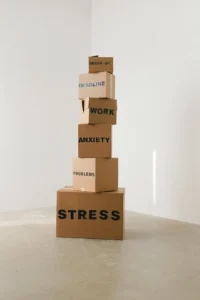
Some studies suggest that prolonged elevation of cortisol levels may be associated with changes in hippocampal volume during extended periods of stress.
Regular aerobic exercise (150 minutes/week) and strength training may be associated with supporting BDNF levels in some studies.
In some studies, the combination of regular meditation and physical exercise has been associated with supporting healthy cortisol levels and hormonal balance.
Learn more about commonly discussed herbs used in men’s wellness:→“Tongkat Ali, Fenugreek & Tribulus: Top Herbs for Men”
Social Connections and Well-Being

Physical touch, meaningful conversations, and supportive social interactions are linked to improved well-being and emotional resilience. Men with strong social networks often report feeling less stressed and more energetic.
Daily Routine for Men’s Energy (Infographic)
| TimeofDay | Action | Goal |
| 6:30–7:00 AM | Breathing technique / cold shower | May support healthy stress response and morning energy |
| 7:30 AM | Protein- and carbohydrate-rich breakfast | May help maintain balanced blood sugar and hormone levels |
| 9:00 AM–12:00 PM | Work / activity intervals | May support focus and cognitive performance |
| 12:00 PM | Light lunch | May help support balanced stress response |
| 2:00–3:00 PM | Short 20–30 minute nap | May support refreshed energy and alertness |
| 5:00 PM | Strength or cardio workout | May support healthy stress response and hormone balance |
| 7:00 PM | Dinner with vegetables, omega-3s, magnesium | May support recovery and brain health |
| 9:00–10:30 PM | Screen-free wind-down | May support healthy sleep quality and relaxation |
| 11:00 PM | Sleep | May support overnight hormone recovery and overall rest |
A consistent daily routine can play a significant supportive role in overall energy levels and daily functioning. Regular structure and timing are commonly associated with healthier circadian patterns, which may support focus, productivity, and recovery over time.
Myths About Stress, Sleep, and Cortisol That Harm Men’s Energy
1. Myth: More stress means higher productivity.
Fact: Chronic stress reduces focus.
2. Myth: Coffee can replace lost sleep.
Fact: It masks fatigue but doesn’t restore hormones.
3. Myth: Men don’t need relaxation practices.
Fact: Meditation is associated with supporting stress adaptation and cortisol regulation in some studies.
4. Myth: Diet doesn’t affect cortisol.
Fact: Adequate nutrient intake may be associated with supporting healthy cortisol regulation in some research.
5. Myth: Stress can be eliminated.
Fact: The key is managing peaks.
FAQ: Stress, Sleep & Men’s Energy

How does chronic stress affect men’s energy and focus?
Chronic stress often raises cortisol levels, which may reduce daily energy,
alertness, and motivation. Individual effects vary; habits such as quality
sleep, regular exercise, and balanced nutrition support better focus and vitality.
Can poor sleep reduce testosterone and productivity?
Yes. Insufficient or fragmented sleep is associated with hormonal imbalance,
lower energy, slower reaction time, and reduced concentration. Consistent,
high-quality sleep supports overall vitality and cognitive function.
What lifestyle habits help manage stress safely?
Regular physical activity, balanced nutrition, adequate sleep, short naps,
and mindfulness practices support stress adaptation and sustained energy.
These habits are generally safe and effective for most adults when practiced consistently.
Can certain nutrients or supplements support energy and stress balance?
Nutrients such as magnesium, zinc, and vitamin D are associated with healthy
cortisol regulation and energy support. Adaptogens like Ashwagandha may help
promote relaxation. A healthcare professional should be consulted before use.
How quickly do lifestyle changes impact energy and hormonal balance?
Many individuals notice improvements in alertness and mood within days to weeks.
Longer-term hormonal support typically requires 4–8 weeks of consistent habits.
Results vary by individual.
Do meditation and short naps improve energy and recovery?
Yes. Short naps (20–30 minutes) and brief meditation sessions may enhance
alertness, relaxation, and stress management while complementing nightly sleep.
How can men safely support testosterone naturally?
Quality sleep, resistance training, balanced nutrition, stress management,
and healthy daily habits are associated with maintaining normal testosterone levels.
Supplements may complement lifestyle changes but do not replace them.
Important: Check out our article “High-Quality Male Supplements: Features, Safety & Buying Tips”
Conclusion: Reclaim Your Energy and Daily Focus
Stress levels, sleep quality, and overall lifestyle habits affect your daily energy, concentration, and motivation. Prolonged stress and poor sleep are commonly associated with fatigue, lower alertness, and reduced daily performance. Supportive practices—such as consistent sleep, balanced nutrition, regular physical activity, and mindfulness—are widely recognized for helping maintain overall well-being.
Research suggests that men who aim for 7–9 hours of sleep, manage stress, and follow a balanced diet tend to report higher energy, better mental clarity, and sustained vitality in demanding lifestyles. Making small, gradual changes, such as morning breathing exercises, adjusting your sleep schedule, or ensuring adequate intake of essential nutrients like magnesium, can be a practical first step. Over time, a combination of balanced nutrition, regular exercise, and consistent sleep can help increase energy and concentration throughout the day.
Keep track of how you feel as you introduce these habits. Small, consistent steps toward a balanced lifestyle can help you feel more alert, confident, and clear-headed throughout the day.
Medical Review
Medically reviewed by: Ali Abu Alburghol, MBBS UK-licensed physician Last updated: December 30, 2025
This article has been reviewed for scientific accuracy and safety by a qualified physician.


Important Disclaimer
The information in this article is for educational and informational purposes only and is not intended as medical advice or diagnosis. Nothing here should be considered a substitute for professional medical care. Always consult a qualified healthcare provider before starting any supplement, making major lifestyle changes, or if you suspect low testosterone or any other medical condition.
Individual results may vary. Statements about dietary supplements have not been evaluated by the FDA and are not intended to diagnose, treat, cure, or prevent any disease or health condition.
About the Author
Alpha Dualis Editorial Team All content is fact-checked and written according to strict editorial and scientific standards.